


Is There Fear of Using AI for Business Purposes?
- By Tamara Grozdanovic
People are increasingly worried that AI will take over their positions. Are they replaceable by artificial intelligence? But this isn’t the only concern they have.
Many hesitate to admit that they use AI at work. But why? Are we actually returning to the initial fear, or are they simply afraid that by doing so, they reveal a weakness that shows a lack of professionalism if they need help, often from chatbots.
A Delicate Blend of AI and Human Creativity
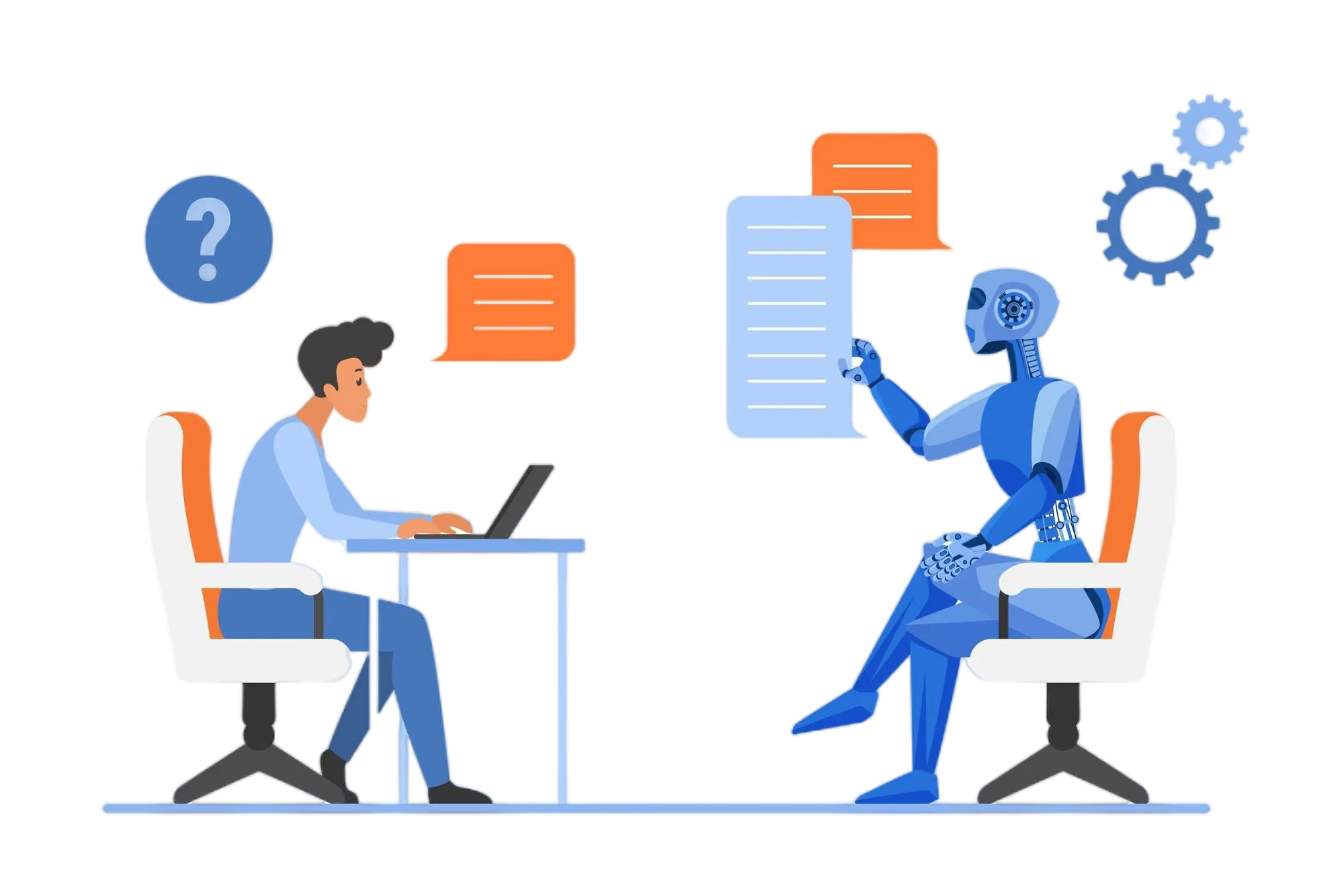
I have noticed that recently, there have been many job ads that list experience with ChatGPT or another AI tool as a requirement. On the other hand, there are also notes that every content creator’s text will be analyzed by an AI detector. This creates a conflict between current demands, i.e., qualifications and experience for those seeking jobs. I certainly don’t support the classic copying of texts, which should be creative and have the so-called “human touch,” but ChatGPT can also be used for other purposes by people in creative positions. While some consider a ChatGPT subscription one of the best investments, others are still ashamed to admit they use it for business purposes, even though it was one of the conditions for getting that particular job.
AI at Work: Aid or Anxiety?
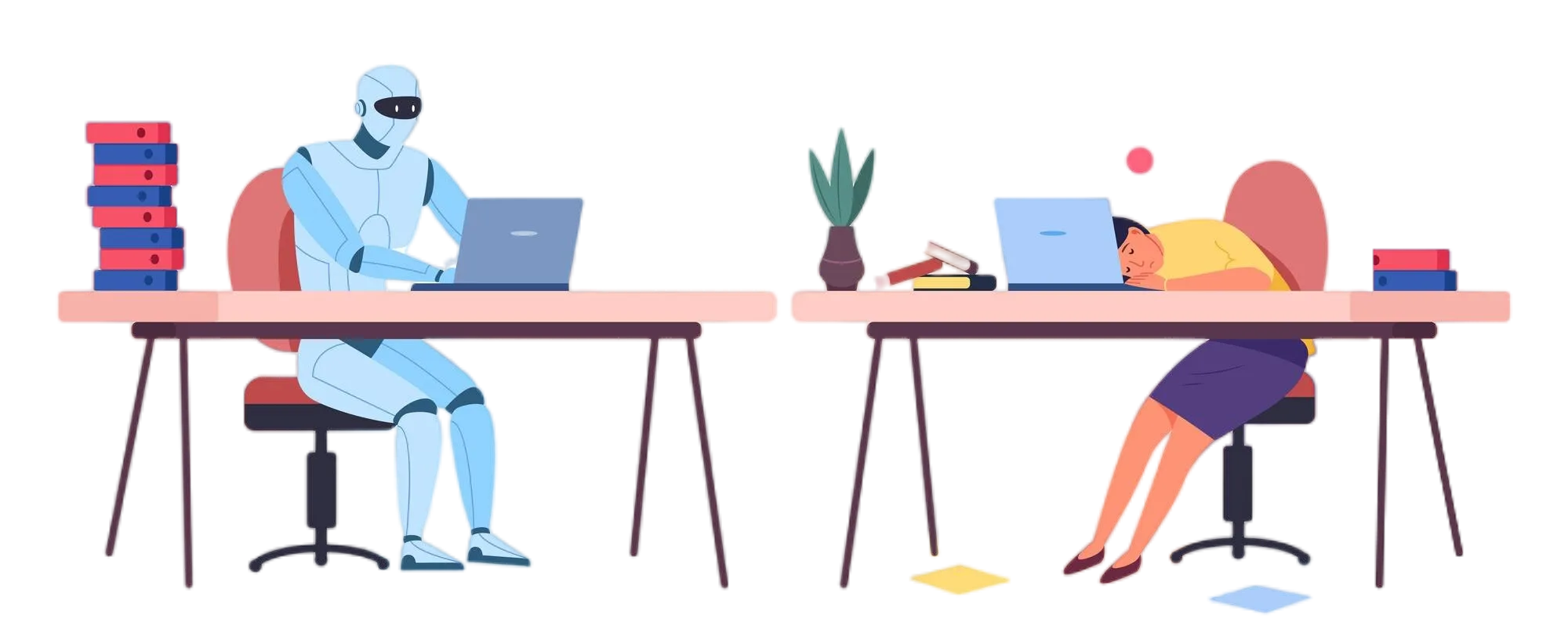
The assistance of artificial intelligence certainly doesn’t mean that workers are stupid or lazy. According to analyses conducted by Microsoft this year, content creators, graphic designers, marketing managers, and salespeople are the ones who use AI the most. Yet, slightly more than half of the respondents are reluctant to admit they used it. About half also believe that because of this, AI might make them replaceable on their tasks (by another worker who doesn’t use these tools or perhaps doesn’t admit it), and in addition, half fear that AI will take their jobs.
On the other hand, there are justifications from employees who use it as a solution to prevent burnout at work. Although AI is mostly considered to have a role in creative jobs, the head of AI strategy at UiPath says that these tools still have the potential to increase productivity by reducing routine tasks, and as he put it, they actually “behave” like personal assistants for every individual.
However, opposing opinions can also be found in this case. They are based on the fact that greater frustration arises among certain workers when they realize that all the knowledge and skills they have acquired and developed over the years can now be done by machines.
In any case, although AI is on the rise and more positions are requiring knowledge of these tools, human skills, the so-called “soft skills,” cannot be replaced by AI, at least not yet.